

Clinically reviewed by Dr R Krishnamurthy, Principal Dentist, Ashtead Dental (GDC no. 257572). Last updated: November 2026. Most dental implants last 20 years or more. Many last for life. The crown on top usually lasts 10 to 15 years. When the crown wears out, your dentist swaps it. The implant stays in place. A large …

Estimated reading time: 6 minutes
Clinically reviewed by Dr R Krishnamurthy, Principal Dentist, Ashtead Dental (GDC no. 257572). Last updated: November 2026.
Most dental implants last 20 years or more. Many last for life. The crown on top usually lasts 10 to 15 years. When the crown wears out, your dentist swaps it. The implant stays in place. A large review of studies found that about 96 in every 100 implants still work after 10 years.
Table of contents
- What is a dental implant?
- How long does each part last?
- What does the research say?
- How do implants compare with bridges and dentures?
- What can make an implant fail early?
- How to make your implant last longer
- Warning signs: when to call your dentist
- What happens if an implant or crown fails?
- Are dental implants worth it?
- Dental implants in Ashtead, Surrey
- FAQs
What is a dental implant?
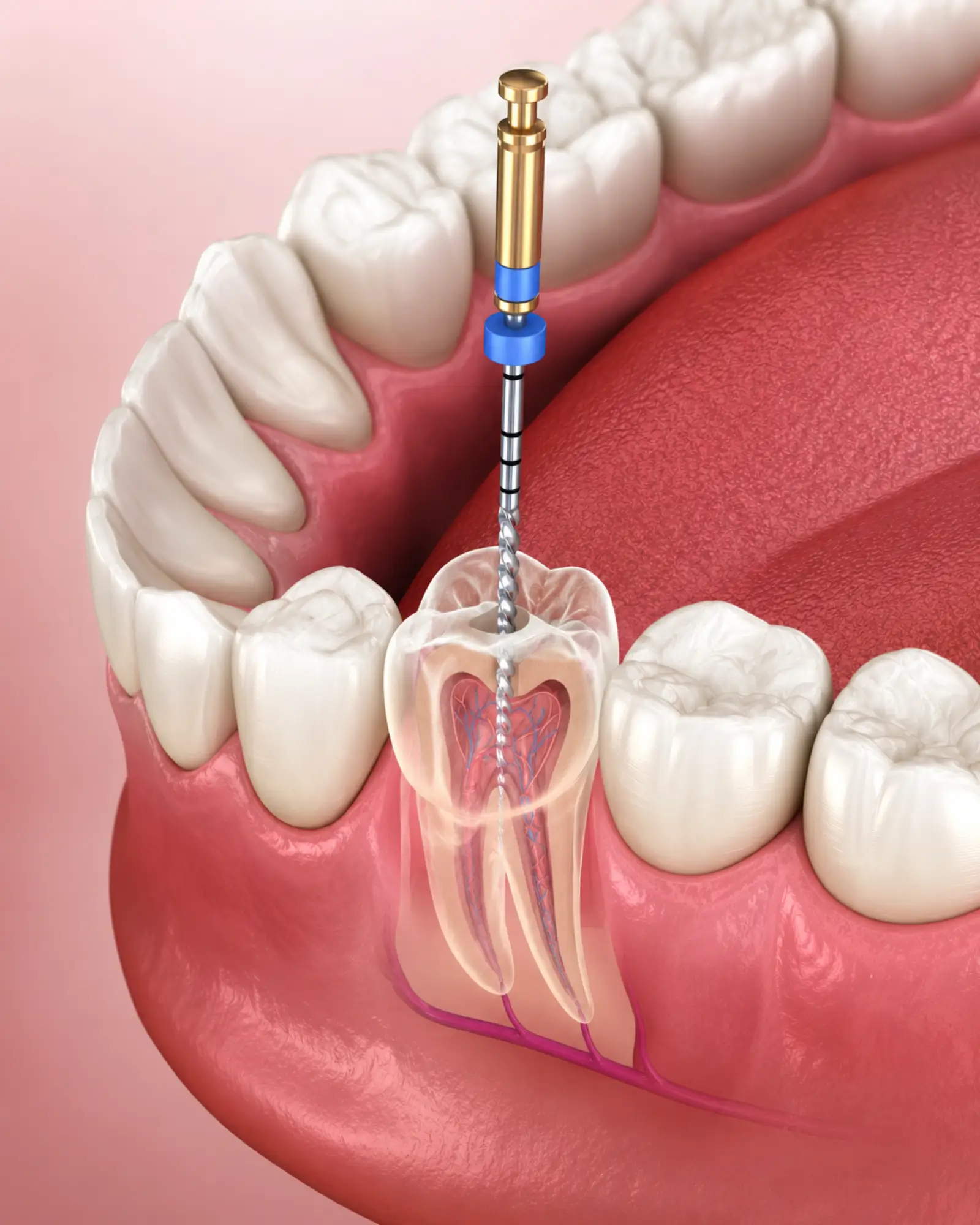
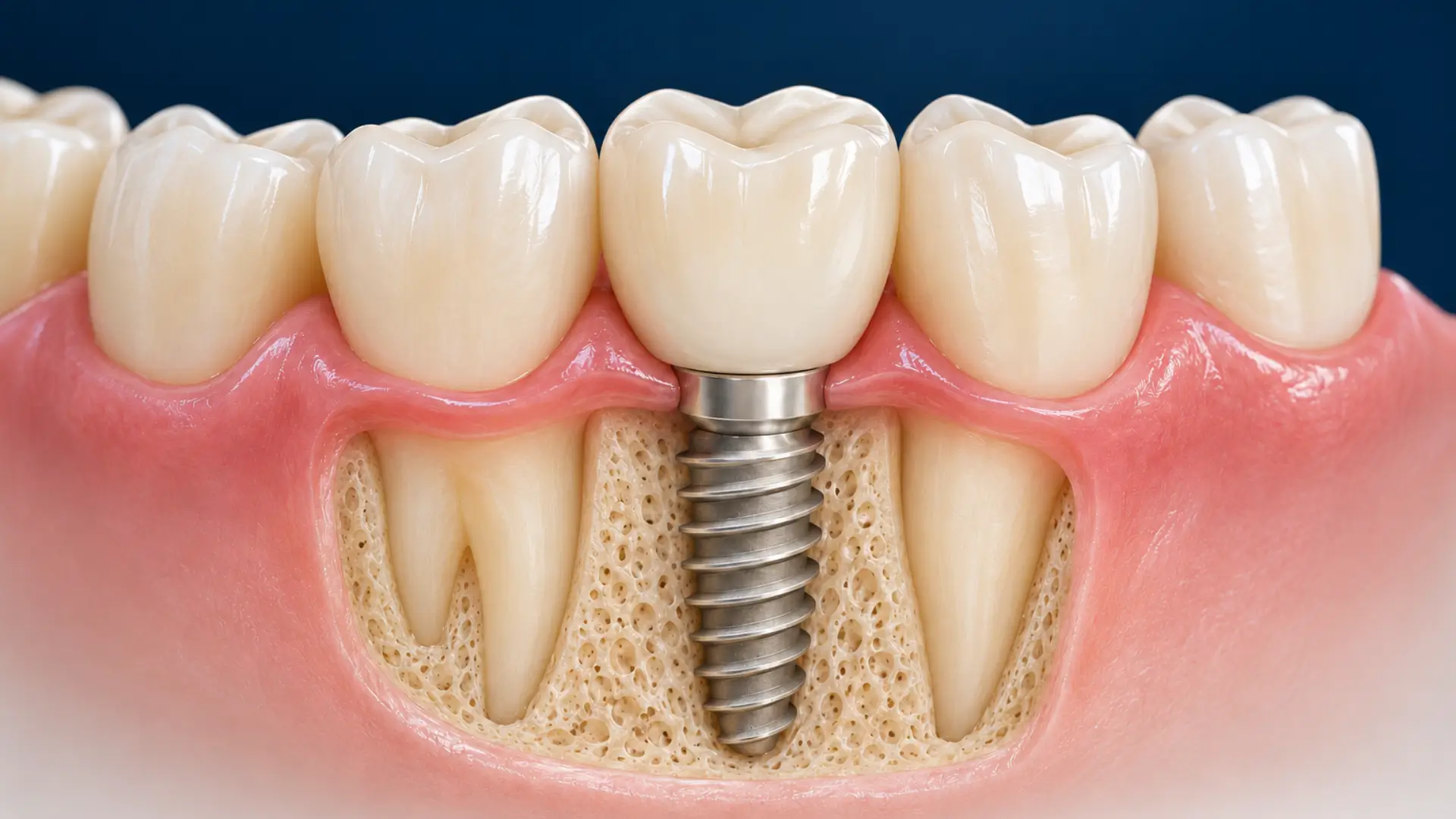
A dental implant replaces a missing tooth. It has three parts:
The implant A small titanium screw. Your dentist places it in your jawbone. It works like a tooth root.
The abutment A small connector. It joins the implant to the new tooth.
The crown The new tooth you see. It looks like your other teeth.
Over a few months, your bone grows tight around the implant. Dentists call this “osseointegration”. In simple words, the implant and bone join together. This makes the implant very strong.
How long does each part last?
Each part lasts a different time. The crown does all the biting and chewing, so it wears out first.
| Part | How long it usually lasts |
| Implant (the screw in the bone) | 20 years or more. Often for life. |
| Crown (the tooth on top) | 10 to 15 years |
| Abutment (the connector) | Many years. Your dentist may need to tighten or change it. |
Think of it like a car. The engine lasts a long time. The tyres wear out and need changing. The implant is the engine. The crown is the tyre.
What does the research say?
In 2019, researchers looked at many studies on implants. They published their review in the Journal of Dentistry. They found that 96.4% of implants were still in place after 10 years. A more careful count put it at 93.2%.
So, out of every 100 implants, about 93 to 96 still work after 10 years. That makes implants one of the longest-lasting ways to replace a tooth.
How do implants compare with bridges and dentures?
| Option | How long it usually lasts | Good to know |
| Dental implant | 20 years or more | Does not touch the teeth next to it. Helps keep the jawbone healthy. |
| Bridge | 10 to 15 years | Your dentist files down the teeth on each side to hold it. |
| Denture | 5 to 8 years | You take it out. It can feel loose over time as the gum changes |
Every mouth is different. Your dentist will tell you which option suits you best.
What can make an implant fail early?
Most implants do well. But some things can shorten their life.
- Gum disease around the implant. Germs can build up around the implant. This can damage the gum and bone that hold it. Dentists call this “peri-implantitis”. It is the most common reason implants fail later on.
- Smoking. Smoking cuts blood flow to your gums. Your mouth heals more slowly. The bone may not join well with the implant.
- Grinding or clenching your teeth. This puts a lot of force on the crown and implant. A night guard protects them while you sleep.
- Diabetes that is not well controlled. High sugar levels slow healing. Well-controlled diabetes is usually not a problem.
- Missing check-ups. Small problems grow when nobody spots them.
- Accidents and bad habits. A hit to the face can damage an implant. So can opening bottles or packets with your teeth.
How to make your implant last longer
You can do a lot to help your implant last. Follow these simple steps:
- Brush twice a day for two minutes.
- Clean between your teeth every day. Use floss, small brushes or a water flosser.
- See your hygienist for a professional clean.
- Visit your dentist for regular check-ups.
- Stop smoking. Ask us or your GP for help to quit.
- Wear a night guard if you grind your teeth.
- Don’t use your teeth as tools.
Treat your implant like a natural tooth. Look after it every day.
Warning signs: when to call your dentist
Call your dentist soon if you notice:
- Bleeding or swollen gums around the implant
- Pain or soreness when you bite
- A crown that feels loose or moves
- A bad taste, or pus around the implant
- Gum shrinking back and showing more of the implant
Don’t wait. Your dentist can fix most problems when they catch them early.
What happens if an implant or crown fails?
If the crown breaks or wears out, your dentist makes a new crown. The implant stays where it is. This is simpler and costs less than a new implant.
If the gum around the implant gets infected, your dentist deep-cleans the area. They may also give you medicine to fight the infection.
If the implant comes loose, your dentist may remove it. Once the area heals, they can often place a new one. Some people need a bone graft first. A bone graft adds bone so the new implant has something strong to hold on to.
Are dental implants worth it?
Implants have clear benefits:
- They last a long time.
- They look and feel like real teeth.
- They don’t need support from the teeth next to them.
- They help stop bone loss in your jaw.
But they are not right for everyone:
- They cost more at the start than a bridge or denture.
- You need a small operation.
- Healing takes a few months.
- You need enough healthy bone and healthy gums.
The best way to find out is a consultation. Your dentist checks your mouth and talks you through your options.
Dental implants in Ashtead, Surrey
At Ashtead Dental, we are your local family dentist. We see patients from Ashtead, Epsom, Leatherhead and nearby. We check your mouth, explain every option in plain words and help you choose what suits you.
Call us on 020 7101 3777 to book a consultation. Or visit us at 206 Barnett Wood Lane, Ashtead, Surrey KT21 2DB.
FAQs
Do dental implants last forever?
The implant can last for life if you look after it. The crown on top usually needs replacing after 10 to 15 years.
Can a dental implant get a cavity?
No. An implant can’t decay. But the gum and bone around it can still get infected. That is why cleaning and check-ups matter.
How long does it take to get a dental implant?
It usually takes a few months. Your bone needs time to join with the implant, often 3 to 6 months. Then your dentist fits the crown.
Does getting an implant hurt?
Your dentist numbs the area first, so you shouldn’t feel pain during treatment. You may feel sore for a few days after. Normal painkillers usually help.
Can I get dental implants on the NHS?
Usually not. The NHS offers implants only in some medical cases. Most people have them privately.
How long does an implant crown last?
Usually 10 to 15 years. Grinding, chewing hard things and poor cleaning can wear it out sooner